
How Does Gasport, NY Weather Impact Roof Longevity?
The climate in Gasport, NY subjects roofs to distinct stressors across all four seasons. Fluctuations in temperature, precipitation, wind, and sun exposure can accelerate wear or cause specific forms of damage. Area residents often notice that roofing materials age differently here compared to other regions.
Roofs in this part of Western New York face a freeze-thaw cycle for a significant part of the year. In winter and early spring, rapid temperature shifts cause expansion and contraction in shingles, underlayments, and flashing. Over time, this can lead to cracking, curling, or loosening of roofing materials. Excessive moisture from rain and snow compounds these effects by seeping into flaws and expanding if it freezes.
Why Do Rain and Snow Present Special Challenges in Gasport?
Gasport receives above-average snowfall and a steady amount of rain throughout the year. Both forms of precipitation challenge typical roofing systems:
- Heavy snow loads can put stress on the structural integrity of a roof deck, especially on older or flatter roofs.
- When snow melts, water can back up behind ice dams along eaves, leading to leaks and water intrusion under shingles.
- Prolonged dampness increases the risk of moss, algae, and lichen growth. These organisms can hold moisture against your roof, breaking down materials faster over time.
- Consistent rainfall can reveal hidden weaknesses in flashing or valleys, which might not show during drier months.
Addressing small drainage or insulation issues early helps prevent much larger problems after a long, wet winter.
Do Summer Heat and Sunlight Cause Roof Damage Here?
While Gasport is not known for extreme heat, summer temperatures and UV exposure can still take a toll on roofs:
- UV rays gradually degrade asphalt shingles and weaken sealants.
- Periods of intense sun—especially after spring rains—can cause rapid drying and minor cracking.
- Heat causes roofing materials to expand; when followed by evening cooldowns or storms, this repeated flexing may cause premature aging of both shingles and underlayment layers.
For homes with less shade, south- and west-facing roof slopes may show signs of wear or fading sooner than other areas.
How Do High Winds and Storms Affect Roofs in This Area?
Wind is a year-round concern due to Gasport’s open rural setting and periodic thunderstorms. Even moderate winds can compromise roofs over time:
- Consistent winds may lift loose shingles, exposing underlayment or sheathing to moisture.
- Severe gusts during thunderstorms can dislodge shingles entirely or blow debris that punctures roofing surfaces.
- Repeated exposure to wind-driven rain finds its way into even small openings around vents, chimneys, or flashing.
Most wind-related roof issues begin with small, nearly invisible problems. Regular visual checks after storms are a practical habit for local homeowners.
How Do Seasonal Changes Increase the Risk of Damage?
Seasonal transitions create unique challenges for roofing in this region:
- Fall is known for dropping branches, leaves, and organic debris. Blocked gutters and valleys can allow water to back up, leading to leaks or ice dam formation in the following months.
- Spring thaw, often rapid, turns deep snowpack into significant runoff. Roofs must handle the sudden increase in water flow—any pre-existing vulnerabilities may quickly become leaks.
- Sudden shifts between warm days and freezing nights during shoulder seasons can cause “thermal shock” that shortens the life of all roofing materials.
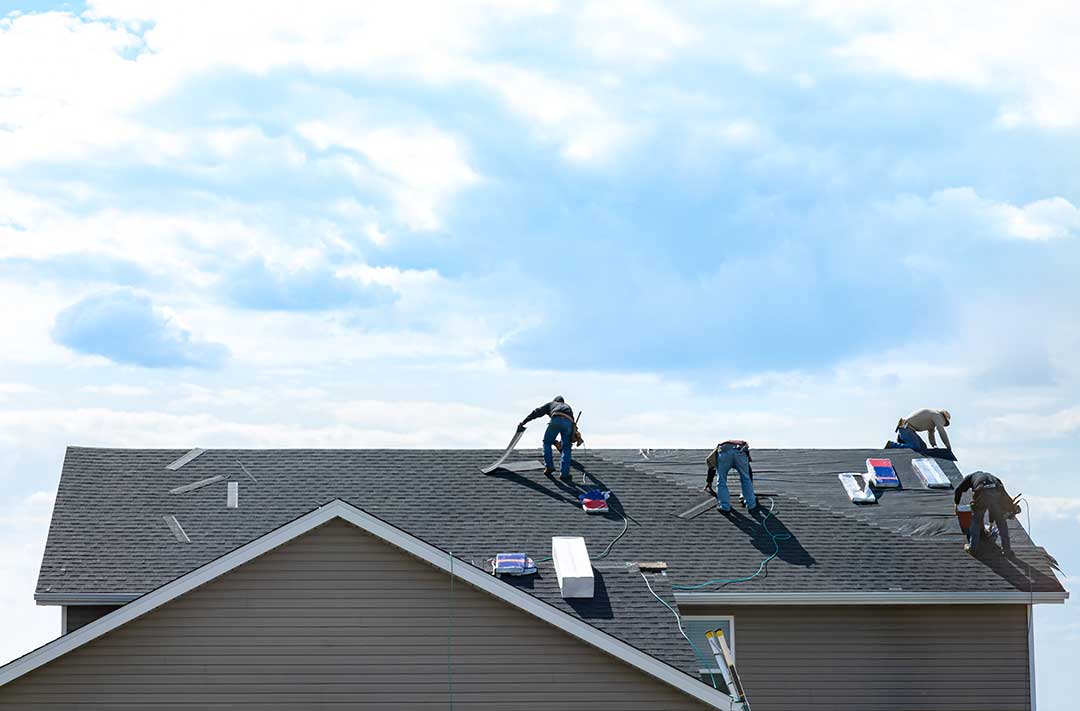
Simple maintenance tasks timed with the seasons—like clearing gutters before winter or checking for wind damage in spring—reduce the risk of sudden roofing failures.
What Are Some Overlooked Weather-Related Roof Issues in Gasport?
Some problems caused by the local weather are not immediately obvious:
- Attic condensation often develops during cold snaps when warm indoor air meets the underside of a cold roof deck. Over time, this can rot decking or support mold growth without any sign of an exterior leak.
- Gutters that freeze solid over winter can cause ice to work its way under shingles, damaging both the roof edge and interior wall finishes.
- Minor hail events can go unnoticed yet still weaken shingle granules, shortening the future lifespan of the roof.
Residents sometimes overlook these subtle issues until a larger repair becomes necessary. A periodic attic check—especially during cold weather—can provide early warnings.
How Can Local Homeowners Adapt to Seasonal Roof Stress?
Residents of Gasport, NY can prolong their roof’s life by understanding local stressors and incorporating preventive habits:
- Routinely remove leaves and organic debris from roofs and gutters in fall and spring.
- After major storms or thaws, look for lifted shingles, missing granules, or water stains in the attic.
- Watch for signs of moss or lichen in shaded roof areas during the wet season.
- Ensure attic insulation and ventilation meet recommended standards to prevent condensation and ice dams.
- Consider installing snow guards or ice-and-water shield near eaves on particularly vulnerable roofs.
Most weather damage develops slowly, so early attention to minor changes is often the most effective way to prevent significant repairs or premature replacement.
