
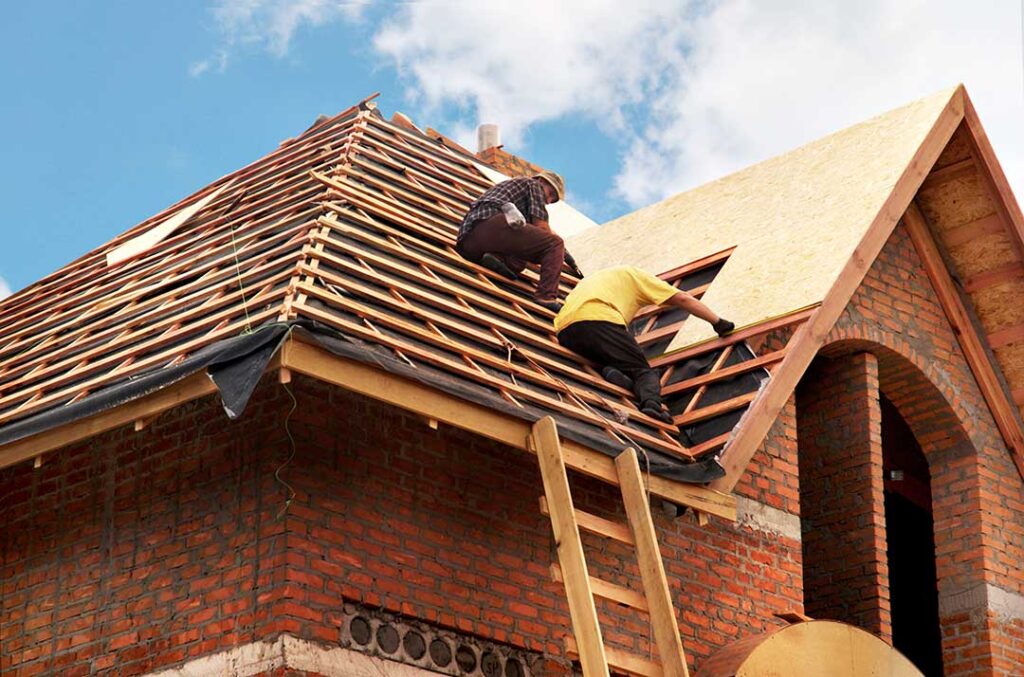
A roof lasts longer when small problems are found early, water is directed away from the structure, and seasonal wear is addressed before it becomes severe. In Gasport, changing weather, winter snow, freeze-thaw cycles, wind, and summer heat can all affect roofing materials over time.
Roof maintenance does not mean climbing onto the roof regularly. Many useful checks can be completed from the ground or from a safe attic location. Work on steep, wet, icy, or damaged roofs can be hazardous and may require qualified assistance.
What shortens a roof’s service life?
The most common causes of premature roof aging are moisture, poor ventilation, neglected drainage, storm damage, and repeated mechanical wear.
Roofing materials naturally deteriorate from sunlight and weather, but problems often accelerate when:
- Water remains on or beneath roofing materials
- Gutters overflow against roof edges and walls
- Ice or snow creates repeated stress at roof details
- Missing or damaged shingles are left unrepaired
- Attic moisture condenses on the underside of the roof
- Moss, leaves, and branches trap moisture
- Foot traffic damages shingles, flashing, or sealant
- Improper repairs block drainage or cover hidden damage
A roof may appear acceptable from the ground while water is entering around flashing, vents, valleys, or roof edges. Early attention is usually less disruptive than waiting for ceiling stains, peeling paint, or visible interior damage.
How often should a roof be inspected?
A practical schedule is to check the roof and attic at least twice a year, usually in spring and fall, along with inspections after major wind, hail, or heavy snow events.
A ground-level inspection should look for:
- Shingles that are missing, lifted, cracked, curled, or unusually dark
- Granules collecting near downspouts
- Sagging areas or visible depressions
- Damaged vents, flashing, or chimney coverings
- Branches resting on the roof
- Moss or algae concentrated in shaded, damp areas
- Gutters pulling away from the roofline
After winter, pay particular attention to the lower edges of the roof, valleys, and locations where snow or ice may have accumulated. Storm damage is not always obvious, especially if shingles are loosened rather than completely removed.
An attic check can reveal problems before they appear indoors. Look for damp insulation, water marks, mold-like growth, rusted fasteners, daylight through the roof deck, or a damp smell after rain. Wet insulation may indicate a roof leak, a ventilation issue, or both.
Why do gutters and downspouts matter?
Keeping gutters and downspouts clear is one of the simplest ways to reduce roof-related water damage. Blocked gutters can cause water to back up beneath roof edges, soak fascia boards, and run down exterior walls.
Gutters should be checked in late spring and again after leaves have fallen. They may also need attention after strong winds or storms. Downspouts should discharge water far enough away from the foundation to prevent soil saturation and basement moisture.
Watch for these warning signs:
- Water spilling over the front of the gutter during rain
- Rust holes, sagging sections, or separated joints
- Pools of water near the foundation
- Staining beneath the roof edge
- Soil erosion below a downspout
- Ice buildup caused by poor drainage
Cleaning gutters from a ladder can be dangerous, particularly on uneven ground or near icy surfaces. Safe access and fall protection should take priority over routine maintenance.
How can snow and ice affect a roof?
Snow itself is not automatically harmful, but heavy accumulation can add substantial weight, especially on older structures or roofs with drainage problems. Ice dams are a separate concern. They form when heat escapes into a cold roof area, melts snow higher on the roof, and allows water to refreeze near the eaves.
Ice dams can force water beneath shingles and into insulation, ceilings, and wall cavities. Removing visible ice without correcting the source may provide only temporary relief.
Helpful preventive measures include:
- Keeping attic insulation evenly distributed
- Sealing attic air leaks around wiring, pipes, and ceiling openings
- Maintaining clear soffit and ridge ventilation where the roof design allows it
- Removing excessive snow only with safe methods
- Avoiding sharp tools that can cut or puncture roofing materials
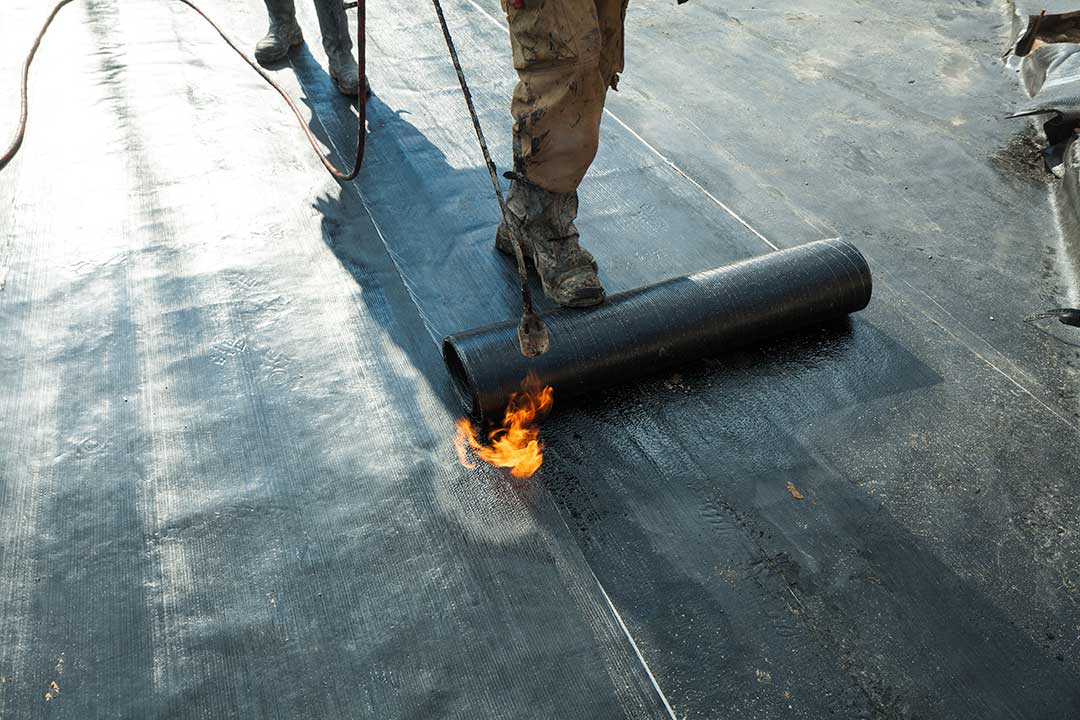
Do not chip ice from shingles or use open flames, salt, or improvised heating devices on the roof. These approaches can damage roofing and create serious safety hazards.
Does attic ventilation really extend roof life?
Proper attic ventilation helps control heat and moisture, but ventilation works best as part of a balanced system. Intake air generally enters through lower roof or soffit areas, while warmer air exits through higher vents.
Poor ventilation can contribute to:
- Excessive summer heat in the attic
- Condensation during cold weather
- Damp insulation and roof sheathing
- Premature deterioration of shingles and underlayment
- Ice-dam formation
- Rust around nails and metal components
Adding a single roof vent does not necessarily solve a ventilation problem. Vents must be compatible with the roof design and should not be blocked by insulation. Bathroom and kitchen exhaust fans should vent outdoors rather than into the attic, where they can add significant moisture.
What maintenance can be done safely from the ground?
Several useful steps require no roof access. Trim branches that could rub against shingles or fall during wind, while keeping appropriate clearance from utility lines. Check gutters, downspouts, exterior walls, and attic access areas. Photograph changes over time so new damage is easier to identify.
Keep records of:
- Roof installation or repair dates
- Storm events
- Leaks and the locations where they appeared
- Gutter cleaning and drainage problems
- Any replaced shingles, flashing, or vents
These notes can help distinguish an isolated repair from a recurring drainage or ventilation issue.
Avoid pressure washing shingles, walking across the roof unnecessarily, or applying coatings that are not specifically suitable for the existing roofing material. A product that seals one visible area can sometimes trap moisture or conceal a larger defect.
When does a small roof problem require prompt attention?
A small issue deserves prompt attention when water may be entering the roof system or when the damage could spread quickly. Examples include an active leak, exposed underlayment, missing shingles after wind, damaged flashing, a sagging roof deck, or water stains that grow after rain.
Interior stains should not be painted over until the source has been identified and the affected materials have dried. If a ceiling is bulging from trapped water, keep people away from the area and avoid electrical fixtures that may have been exposed to moisture.
Roof work may require qualified assistance when it involves steep slopes, fall hazards, structural damage, electrical lines, active leaks, or conditions that cannot be safely reached from the ground. Local building requirements may also apply to structural repairs, reroofing, ventilation changes, or work involving older materials.
Can maintenance prevent a roof from needing replacement?
Maintenance can extend useful service life, but it cannot stop normal aging. Shingles eventually lose flexibility, protective granules, and resistance to weather. Repeated patching may become less practical when damage is widespread or when the underlying roof deck and flashing have deteriorated.
The goal is not to keep an aging roof in service indefinitely. The goal is to identify defects early, control moisture, reduce avoidable stress, and make informed decisions before a minor repair becomes interior or structural damage.
For households in Gasport, regular seasonal observation is especially useful because the roof must handle both cold-weather moisture and warm-season storms. A few safe checks each spring and fall can reveal drainage, ventilation, and storm-related problems while they are still easier to understand and address.
