
How does a roof affect energy efficiency?
A roof influences how much heat enters or leaves a home. Its performance depends on more than the shingles visible from the ground; insulation, air sealing, ventilation, roof color, moisture control, and attic design all work together.
During cold weather, indoor heat naturally moves toward colder areas. If the attic floor has thin or uneven insulation, warm air can escape into the attic and pass through the roof system. In summer, sunlight heats the roof surface, and that heat can raise attic temperatures before reaching the rooms below.
For households in Gasport, seasonal temperature changes make both heating and cooling performance relevant. A roof that manages heat and moisture properly can help maintain more consistent indoor temperatures and reduce strain on mechanical systems.
Does replacing the roof automatically improve energy efficiency?
Usually, no. Replacing worn shingles may prevent water intrusion, but new roof coverings alone do not necessarily create a more energy-efficient home.
A roof replacement can improve efficiency when it addresses related problems such as:
- Damaged or missing insulation
- Air leakage around attic openings
- Blocked soffit vents
- Poorly functioning ridge or roof vents
- Moisture-damaged roof sheathing
- Excessive solar heat absorption
- Gaps around chimneys, plumbing penetrations, or attic access panels
Shingles provide weather protection, but the largest energy gains often come from improving the attic floor and controlling air movement. If the existing roof is nearing the end of its service life, energy upgrades can be considered at the same time, but the two projects should not be treated as identical.
What role does attic insulation play?
Attic insulation slows heat transfer between the living space and the roof. In winter, it helps keep heated air inside the home. In summer, it reduces the amount of attic heat that reaches the rooms below.
Insulation works best when it is continuous and dry. Common problems include:
- Thin insulation near the attic edges
- Compressed or shifted insulation
- Bare areas around attic stairs and chimneys
- Insulation blocking soffit vents
- Wet insulation caused by roof leaks or condensation
- Openings around wiring, pipes, and recessed fixtures
A small gap can allow warm air to move into the attic, carrying moisture with it. That moisture may condense on cold roof surfaces during winter. Over time, this can contribute to mold growth, wood deterioration, rusty fasteners, or frost buildup.
Adding insulation without sealing major air leaks can produce disappointing results. Air sealing and insulation are related but separate tasks: air sealing limits uncontrolled movement, while insulation slows heat transfer.
Why is roof ventilation important in a cold climate?
Roof ventilation helps move air through the attic and can reduce excess heat and moisture. A typical balanced system allows air to enter through low intake vents near the eaves and leave through higher exhaust vents near the roof peak.
Proper ventilation may help:
- Reduce winter condensation
- Limit damaging heat buildup in summer
- Protect roof sheathing and insulation
- Reduce the chance of ice dams
- Extend the useful life of roofing materials
Ventilation does not replace insulation or air sealing. An attic with large air leaks can still develop moisture problems even if vents are present. Likewise, adding exhaust vents without enough intake airflow may not create the circulation expected.
The goal is a balanced system, not simply more vents. Bathroom fans, kitchen exhaust, and clothes dryers should discharge outdoors through appropriate ducts rather than into the attic.
Can poor roof ventilation cause ice dams?
It can contribute, but ice dams usually result from a combination of heat loss, uneven roof temperatures, snow cover, and weather conditions.
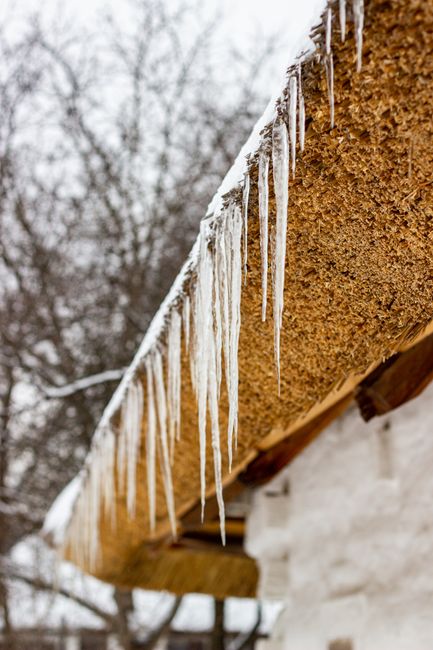
An ice dam forms when heat escaping from the home warms part of the roof. Snow melts in that area, and the water flows toward a colder eave where it refreezes. The growing ice can obstruct drainage and allow water to move beneath roofing materials.
Reducing indoor heat loss through the attic is usually more effective than relying on roof-edge products alone. Helpful measures may include:
- Improving attic insulation
- Sealing ceiling penetrations
- Keeping soffit pathways open
- Maintaining balanced ventilation
- Removing heavy snow only when it can be done safely
Snow and ice removal from a roof can be hazardous. Roof access is especially risky during freezing weather, and electrical equipment, skylights, fragile roofing, and hidden ice increase the danger.
Do roof colors affect heating and cooling costs?
Roof color can influence how much sunlight the roof absorbs, but its effect varies by roof design, insulation level, attic ventilation, tree cover, and the home’s heating and cooling habits.
Dark surfaces generally absorb more solar heat than light-colored surfaces. A lighter or more reflective roof may reduce summer heat gain, especially on a low-slope roof or a home with limited attic insulation. However, color alone is unlikely to solve overheating or high energy bills.
In a mixed-season climate, the winter effect also matters. A roof that absorbs more sunlight may gain some heat on sunny winter days, but that benefit is usually modest compared with the effects of insulation, air leakage, windows, and heating equipment.
Are roof leaks an energy-efficiency problem?
Yes. A roof leak can damage insulation, framing, and sheathing, but moisture can also reduce insulation performance. Wet insulation generally does not provide the same level of protection as dry insulation.
A leak may not always appear directly below the damaged roof area. Water can travel along rafters, roof decking, wiring, or insulation before becoming visible indoors. Warning signs include:
- Brown ceiling stains
- Damp attic insulation
- Musty odors
- Peeling paint near upper walls
- Frost or water droplets on roof nails
- Daylight visible through roof surfaces
- Sagging sheathing or ceiling materials
Energy improvements should not cover up a moisture problem. Wet materials need to be identified and addressed before additional insulation is installed.
What roof-related upgrades provide the most practical benefit?
The most useful improvement depends on the home’s existing condition. In many older homes, the priority is not a specialized roofing product but correcting basic building-envelope problems.
A practical review often considers:
1. Attic insulation depth and coverage — Look for thin areas, compression, and gaps.
2. Air sealing — Check attic hatches, plumbing penetrations, wiring holes, and ceiling fixtures.
3. Ventilation balance — Confirm that intake and exhaust pathways are not blocked.
4. Moisture control — Investigate leaks, condensation, frost, and damp materials.
5. Roof condition — Examine shingles, flashing, valleys, and exposed decking.
6. Attic access — Insulate and weatherstrip the hatch or pull-down stair cover.
7. Indoor comfort patterns — Note rooms that are unusually cold in winter or hot in summer.
A home energy assessment can help identify which issue is responsible for the greatest heat loss. Infrared scans, moisture measurements, and attic inspections are most useful when interpreted alongside ordinary visual observations.
What should homeowners check before improving an attic?
Start with safety and condition rather than adding materials immediately. Do not step on drywall ceilings between joists, and watch for exposed wiring, unstable boards, nails, pests, and limited ventilation.
Before upgrading the space, determine whether:
- The roof has active leaks
- Insulation is wet or contaminated
- Recessed lights are rated for insulation contact
- Bathroom and kitchen exhaust ducts terminate outdoors
- Soffit vents are open
- The attic hatch is sealed
- Older materials may require special handling
For hazardous conditions, structural concerns, suspected electrical problems, or work that requires roof access, qualified assistance is warranted. The objective is a dry, sealed, properly insulated, and well-ventilated roof assembly—not simply a thicker layer of insulation.
