

Why Should Roofs in Gasport, NY Be Cleaned?
Keeping a roof clear of debris, moss, and stains extends its lifespan and helps prevent water damage, leaks, and expensive repairs. In Gasport, springtime tree pollen, summer storm debris, and autumn leaves can all settle on roof surfaces, while humid conditions sometimes spur moss and algae growth—especially on north-facing slopes or shaded homes. Regular roof care is part of overall property maintenance in the region’s variable climate.
What Makes Roof Cleaning Potentially Hazardous?
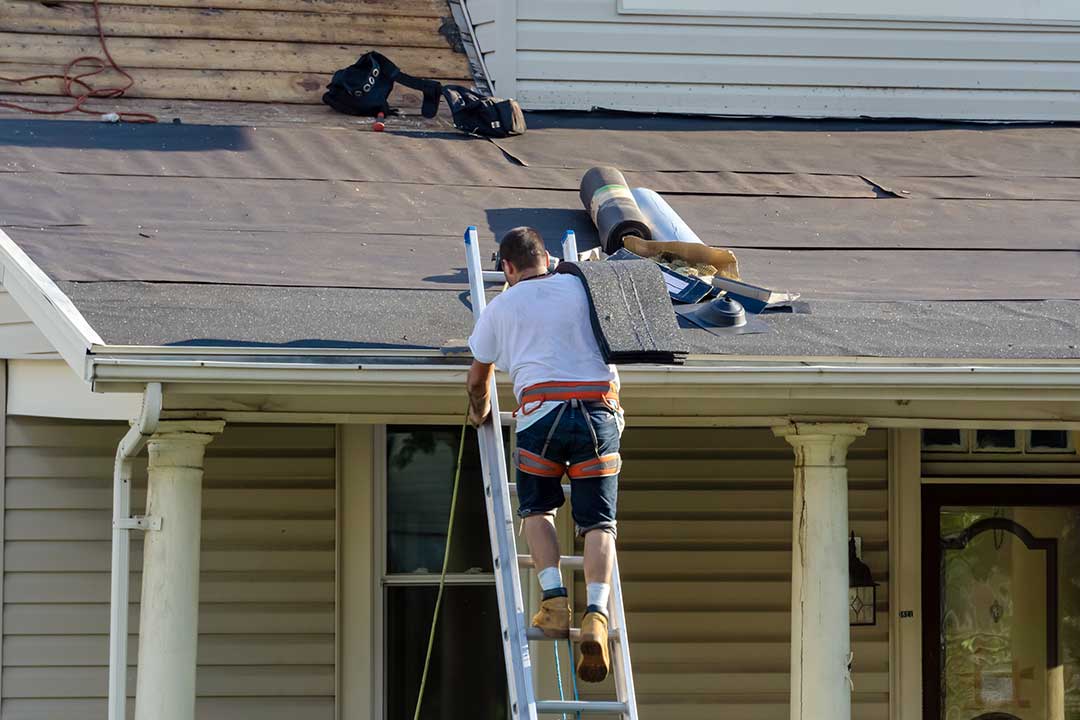
Roof cleaning may look straightforward, but it poses several risks due to height, slippery surfaces, and chemical cleaners.
- Falls from ladders or slippery shingles can cause serious injury.
- Some cleaning solutions are hazardous if not used correctly and may damage nearby landscaping.
- Overly aggressive scrubbing or high-pressure washing can strip shingles of granules or force water under roofing materials.
Residents should carefully weigh their physical abilities and comfort with heights before attempting this task themselves.
What Are the Safest Ways to Access a Roof?
Safely reaching a roof is the first step in cleaning and the source of many accidents. Always:
- Use a sturdy, extension-style ladder on stable, level ground.
- Ensure the ladder reaches at least three feet above the roof edge for safe stepping on and off.
- Have someone nearby to hold the ladder or help if needed.
- Wear non-slip shoes and avoid working in wet, icy, or windy conditions. In Gasport’s climate, early morning dew or late fall frost can quickly make shingles treacherous.
For low slopes, some homeowners can safely use a brush attached to an extension pole from the ground or from a ladder, minimizing time spent on the roof itself.
Which Cleaning Methods Are Recommended?
Manual removal and gentle washing are preferred over harsh chemicals and high-pressure equipment.
- Use a soft-bristled brush to gently dislodge moss, lichen, or debris. Do not scrape or power-wash, as this can wear down shingle surfaces and void warranties.
- For staining or algae, a solution of half household-strength liquid bleach and half water applied with a pump sprayer is commonly used. Allow to sit for 15–20 minutes, then rinse with low-pressure water. Shield nearby plants with plastic sheeting and rinse them afterward to prevent bleach damage.
- Never mix cleaning chemicals or use undiluted bleach—concentrated products are hazardous to people, pets, and the environment.
For homes under trees or in shady locales around Gasport, repeating this process every few years helps limit regrowth.
How Often Should Roofs Be Cleaned in the Area?
The frequency depends on local conditions, with homes under heavy tree cover often requiring attention every 1–2 years. Gasport's combination of leafy suburbs and rural lots means some residents contend with heavier accumulation.
- Check roofs every spring and autumn for visible staining, moss patches, or blocked gutters.
- Brief cleanings after stormy weather or leaf drop can prolong the need for more involved maintenance.
Visual inspections with binoculars from the ground are a safe way to spot issues before climbing up.
What Should Be Avoided When Cleaning Roofs?
Several common mistakes can shorten roof life or create new issues:
- Pressure washing can break tab shingles, dislodge granules, or force water behind flashing.
- Harsh chemicals, including straight bleach or ammonia cleaners, damage shingles and runoff may injure landscaping.
- DIY repairs, like painting over stains, often hide underlying issues, such as water infiltration.
- Disregarding overhead power lines or unstable footing.
Marrying gentle cleaning techniques with regular inspections keeps roofs functional and safe throughout Gasport’s four-season cycle.
Are There Local Regulations or Environmental Concerns?
In Gasport and surrounding agricultural regions, water runoff from roofs often flows directly into yards or roadside ditches. Avoid allowing bleach or harsh detergents to pool or enter drains. Use only as much cleaning solution as needed, and rinse landscaping thoroughly. Compost debris and moss cleared from roofs rather than sending it into drainage systems.
Homeowners' associations or local authorities might have rules regarding stormwater management, runoff, or visual alterations, so check guidelines if you’re in a regulated development.
What Should Gasport Residents Watch for After Cleaning?
After the roof has been cleaned, monitor for:
- Persistent stains that could indicate shingle aging or mold under the surface.
- Granule loss or lifted shingles, especially near chimneys, valleys, or eaves.
- Fast regrowth of moss or algae, suggesting underlying moisture problems or shade from overhanging trees.
Addressing these signs promptly can extend a roof’s functional life, especially with Gasport’s freeze-thaw winters.
