
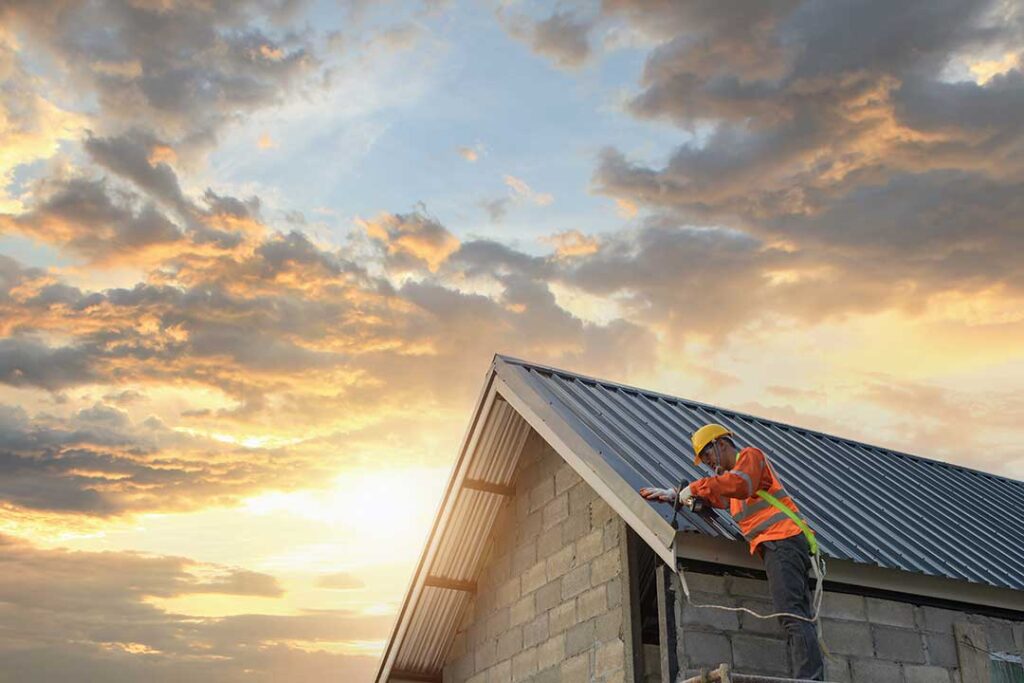
Roofing materials differ in durability, maintenance needs, appearance, weight, and performance in severe weather. For households in Gasport, NY, the most suitable choice usually depends on winter conditions, roof design, ventilation, budget, and how long the property is expected to remain in use.
Which roofing materials are most common?
Asphalt shingles are the most widely used residential roofing material because they offer a practical balance of price, appearance, and installation flexibility. Other options include metal roofing, architectural slate, synthetic roofing products, wood shingles and shakes, and low-slope membrane systems.
No material is ideal for every house. A roof’s pitch, framing strength, attic ventilation, exposure to wind and snow, and surrounding trees can affect how well a particular system performs.
What are the advantages and disadvantages of asphalt shingles?
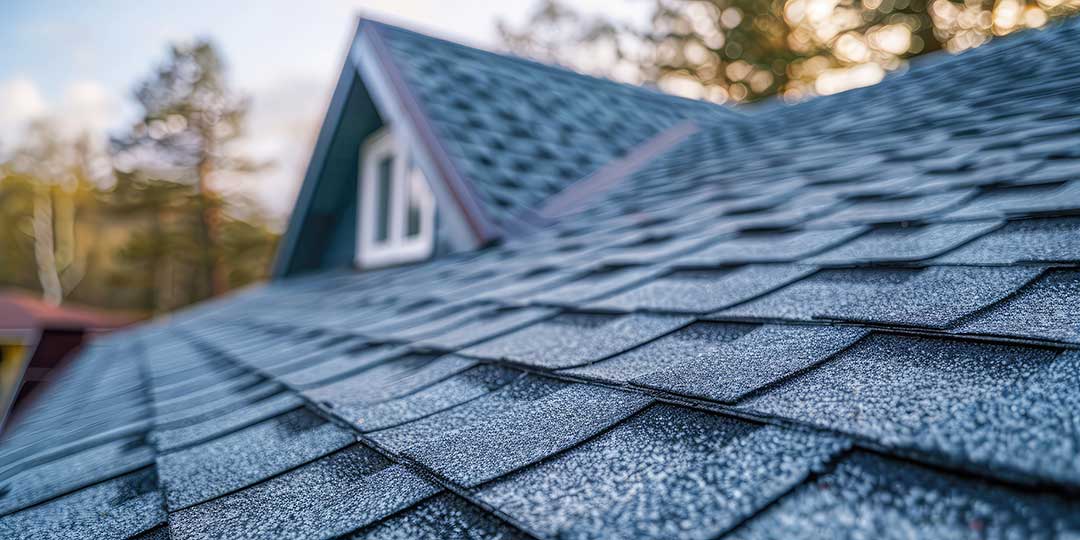
Asphalt shingles are often the simplest option for homes with conventional sloped roofs. They are available in many colors and profiles, and damaged sections can usually be repaired without replacing the entire roof.
Advantages include:
- Lower initial cost than many premium materials
- Broad availability in different colors and styles
- Relatively straightforward installation
- Compatibility with many existing residential roof designs
- Easier spot repairs than some heavier or specialized systems
Standard three-tab shingles generally have a flatter appearance and a lower price. Architectural shingles are thicker, more dimensional, and often provide better resistance to wind and weathering.
Potential disadvantages include:
- Shorter service life than metal, slate, or some synthetic products
- Granule loss and surface wear from repeated freezing and thawing
- Vulnerability to algae staining in damp or shaded areas
- Greater risk of damage from falling branches or severe wind
- Quality differences between entry-level and heavier shingle products
For local homes, proper attic ventilation and careful flashing around chimneys, roof edges, and wall intersections can be just as important as the shingle selection itself.
Is metal roofing a good choice for snowy weather?
Metal roofing can perform well in areas with cold winters because smooth panels allow snow to slide off more readily than rougher surfaces. The material is also resistant to rot, insects, and many forms of moisture damage.
Benefits of metal roofing include:
- Long service life when properly installed
- Good resistance to wind, rain, and ice
- Low water absorption
- Compatibility with snow-retention systems where needed
- Availability in standing-seam and concealed-fastener designs
Metal roofs are not maintenance-free. Fasteners, seams, penetrations, and edge details must remain secure. Snow sliding from a steep metal roof can also create a hazard over walkways, entrances, lower roofs, or landscaping.
Some homeowners worry that metal roofing is excessively noisy during rain. With appropriate underlayment, insulation, and attic construction, indoor noise is usually much less noticeable than people expect. Metal can also dent from large hail or falling limbs, although dents do not always mean the roof has lost its weather resistance.
What should homeowners know about slate roofing?
Natural slate is a stone roofing material known for its appearance and exceptional longevity. A properly installed slate roof can last for many decades, sometimes longer than the surrounding building components.
Its main advantages are:
- Very long potential service life
- Strong resistance to fire and moisture
- Distinctive appearance
- Minimal color fading compared with many manufactured products
The disadvantages are significant. Slate is heavy, expensive, and more difficult to repair. The roof structure may need to be evaluated before installation because not every house is designed to support its weight. Walking on slate can also break individual tiles, so maintenance requires specialized knowledge and careful access.
Slate may make sense for certain historic, high-value, or architecturally distinctive homes, but it is usually not the simplest replacement material.
Are synthetic slate and composite roofing practical alternatives?
Synthetic slate and composite roofing products are manufactured to resemble slate, wood, or other premium materials. They are often lighter than natural slate and may be easier to install on standard residential structures.
These products can offer:
- Lower structural weight than natural stone
- More consistent dimensions
- Easier handling and installation
- Resistance to rot and insect damage
- A premium appearance without the full weight of slate
Performance varies considerably by product design and installation quality. Some synthetic materials can become brittle with age or experience color changes after long-term sun exposure. Warranties may also depend on specific installation methods, so product documentation should be reviewed carefully rather than relying on appearance alone.
What are the pros and cons of wood shingles and shakes?
Wood roofing provides a natural appearance that suits some older, rustic, or traditionally styled houses. Cedar is commonly used because it has natural resistance to decay when properly maintained.
Wood roofing can offer:
- Attractive texture and color variation
- Good compatibility with traditional architecture
- Natural insulating qualities
- The possibility of weathering into a silver-gray appearance
The tradeoffs include regular maintenance, moisture sensitivity, and fire considerations. Leaves, moss, and debris can hold moisture against the roof. Poor ventilation or prolonged shade may accelerate deterioration. Wood shingles are smoother and more uniform than shakes, while shakes are thicker and more textured but may weather less evenly.
Local housing conditions matter. A heavily wooded lot or roof section that remains shaded after rainfall may demand more maintenance than an exposed roof with good airflow.
How do low-slope roofing materials differ?
Roofs with little visible pitch often require materials designed to shed water differently from steep-slope shingles. Common systems include modified bitumen, single-ply membranes, and built-up roofing.
These systems can work well for porches, additions, garages, and sections of homes with low slopes. Their success depends heavily on seams, drainage, flashing, and the prevention of standing water.
Ordinary asphalt shingles should not be used on a roof slope that is too shallow for them. Water may move beneath the overlapping layers, especially during snowmelt or wind-driven rain. A roof’s pitch should be identified before comparing materials.
Which material handles freeze-thaw cycles best?
No roofing material eliminates freeze-thaw risk, because water can enter small gaps, freeze, expand, and gradually damage roofing components. Materials with low water absorption generally have an advantage, but installation details remain critical.
Useful considerations include:
- Adequate attic insulation and ventilation
- Secure flashing around chimneys, skylights, and walls
- Properly installed underlayment
- Clear drainage paths
- Correct placement of roof penetrations
- Durable edge and valley construction
Ice buildup at the lower edge of a roof may indicate heat loss, ventilation problems, weather exposure, or a combination of factors. Replacing shingles alone may not solve the underlying cause.
How should cost be compared?
The lowest purchase price does not always produce the lowest long-term cost. A fair comparison should include material, labor, tear-off, disposal, structural work, ventilation improvements, flashing replacement, maintenance, and expected service life.
A useful way to compare options is to ask:
- How long is the material expected to last under local conditions?
- Will the existing roof structure support its weight?
- How difficult will future repairs be?
- Does the material require regular cleaning or treatment?
- Will snow, ice, shade, or nearby trees create special problems?
- Is the roof design suitable for the material?
For many area households, asphalt shingles remain the practical choice because they are repairable and widely compatible with existing construction. Metal may be appealing for long-term durability, while slate, synthetic products, and wood are more dependent on architectural goals, structure, and maintenance expectations.
What is the most important decision?
The roofing material matters, but the entire roof assembly matters more. Underlayment, flashing, ventilation, drainage, fasteners, edge details, and workmanship determine whether a roof can handle repeated rain, snow, wind, and seasonal temperature changes.
A material that performs well on one home may be a poor fit for another. The most reliable choice is the one that matches the roof’s slope, structural capacity, exposure, maintenance expectations, and long-term plans for the property.
