
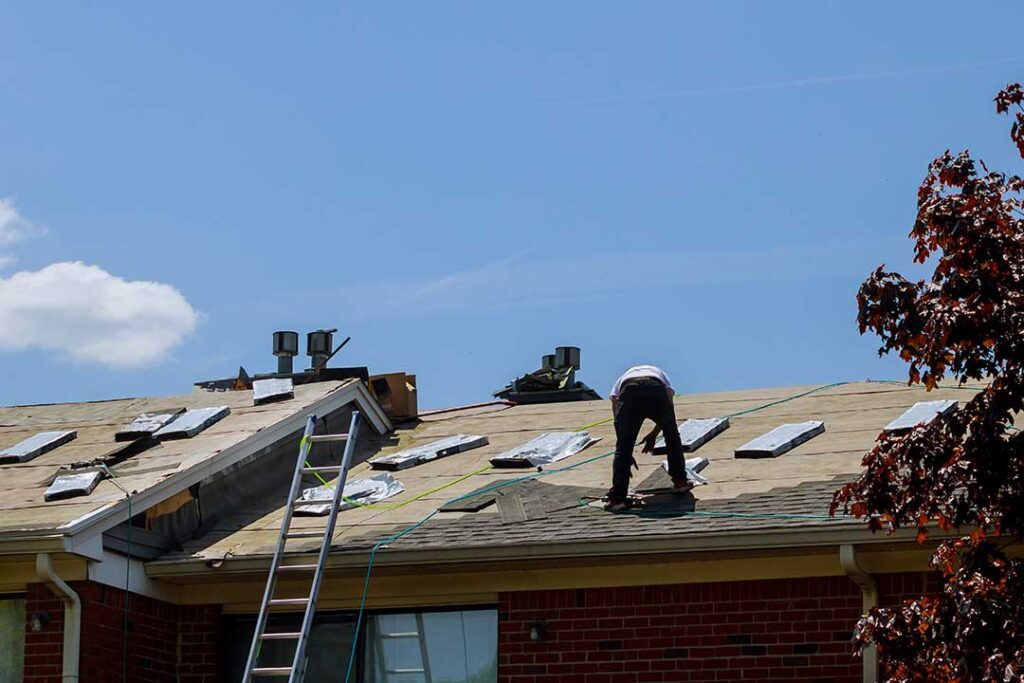
Roof maintenance is mostly about finding small problems before water, ice, wind, and temperature changes turn them into expensive repairs. For homeowners in Gasport, NY, a simple inspection routine in spring and fall can help identify damaged shingles, clogged drainage, attic moisture, and other issues while they are still manageable.
What roof maintenance can a homeowner safely do?
Homeowners can handle several low-risk maintenance tasks from the ground or from a firmly supported ladder. These include checking for visible damage, cleaning accessible gutters, trimming branches away from the roof, looking for attic moisture, and keeping records of changes over time.
Walking directly on shingles is usually not necessary. Foot traffic can loosen granules, crack brittle materials, or damage roofing that appears sound. A pair of binoculars viewed from the ground can reveal many common problems without creating a fall hazard.
Useful items for a basic inspection include:
- Binoculars
- Work gloves
- A flashlight
- A ladder stabilizer, if a ladder must be used
- A notepad or phone for dated photographs
- A garden hose for controlled drainage checks
Roof work should not be attempted during rain, frost, high winds, or icy conditions. A roof surface can remain slippery even when it looks dry.
How often should a roof be inspected?
A practical schedule is to inspect the roof twice each year: once after winter and again before cold weather returns. Additional checks are sensible after strong wind, heavy rain, fallen branches, or periods of rapid snow and ice buildup.
Spring inspections should focus on damage caused by freeze-thaw cycles, snow, and wind. Look for:
- Missing, lifted, or cracked shingles
- Exposed underlayment or roof decking
- Bent or displaced metal flashing
- Sagging areas
- Damaged vent covers
- Excessive granules in gutters or at downspout outlets
- Water stains in the attic or on upper-floor ceilings
Fall maintenance should focus on drainage and winter readiness. Leaves, pine needles, and other debris can block gutters and valleys, allowing water to back up beneath roofing materials.
What should be checked from the ground?
A ground-level inspection can reveal many early warning signs. Stand at several points around the house and look along the roofline rather than only straight up.
Shingles may need closer attention if they appear curled, buckled, blistered, or uneven. A few isolated missing shingles are different from widespread aging, but either condition deserves documentation and monitoring.
Check the roof edges for:
- Loose or hanging gutters
- Gaps between roofing and fascia
- Damaged drip-edge metal
- Rusted fasteners
- Sections that appear lower than the surrounding roofline
- Water staining below eaves
Also inspect nearby trees. Branches that rub against the roof can remove protective granules and scrape roofing during windy weather. Limbs that hang above the roof can drop debris or cause impact damage, especially during storms.
How do gutters and downspouts affect roof health?
Gutters and downspouts are part of the roof drainage system, so poor maintenance can contribute to roof leaks and foundation problems. Gutters should carry water away from the roof edge and discharge it far enough from the building to prevent pooling near the foundation.
After cleaning, check that:
- Water flows continuously through the gutter
- Downspouts are not blocked
- Joints do not leak
- Gutters do not sag between fasteners
- Downspout outlets are not buried under leaves or soil
- Water is directed away from walls and entry points
A controlled hose test can help locate a blockage, but it should be done from a stable position. Never climb onto a roof to reach a gutter during wet or icy weather.
In areas with regular snow and freezing temperatures, ice can form inside clogged or poorly draining gutters. Ice buildup may pull on gutter fasteners and allow meltwater to collect along the roof edge.
Why should the attic be part of a roof inspection?
The attic often shows roof problems before the exterior does. Inspect it during daylight and after rainfall if possible, using a flashlight to examine the underside of the roof deck.
Look for:
- Dark stains or water marks
- Damp insulation
- Mold-like growth
- Rust around nails or metal fasteners
- Daylight visible through the roof surface
- Condensation on nails or roof decking
- Musty odors
- Frost accumulation in winter
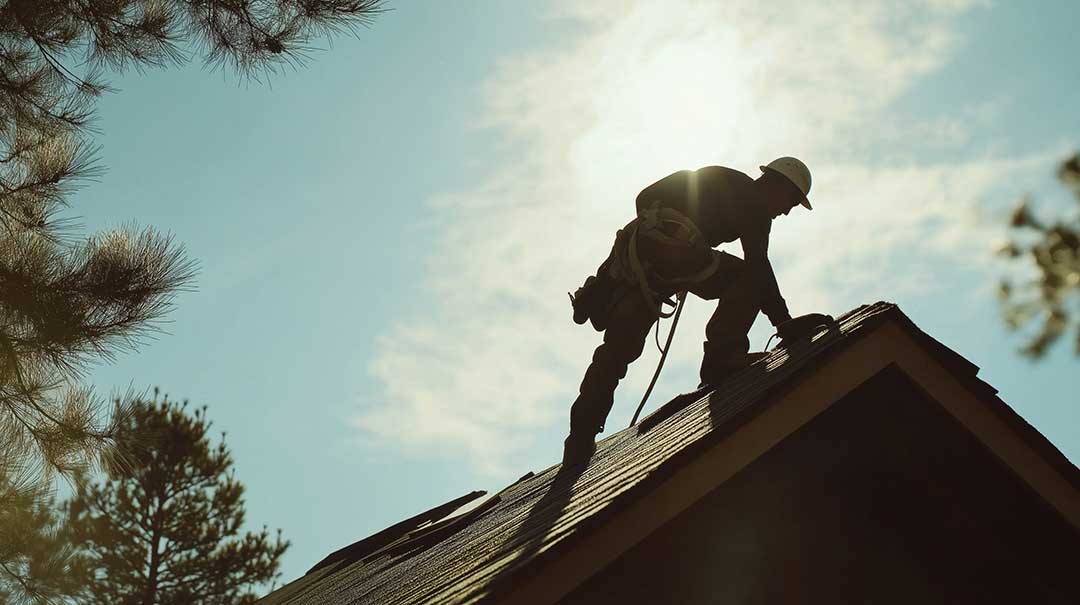
Not every ceiling stain means the roof itself is leaking. Plumbing vents, bathroom fans, chimneys, and condensation can also introduce moisture. However, unexplained dampness should not be ignored.
Bathroom and kitchen exhaust fans should vent outdoors rather than into the attic. Poor attic ventilation can allow warm, moist air to condense on cold roof components, particularly during winter.
Should moss, algae, or ice be removed?
Moss should not be pulled from shingles because the roots can remove protective granules and loosen the roofing surface. Small amounts may be managed with gentle methods appropriate for the roofing material, but aggressive scraping and pressure washing can cause damage.
Algae staining is usually more cosmetic than structural, although heavy organic growth can retain moisture. Avoid applying household chemicals without confirming that they are safe for the roof, nearby plants, gutters, and runoff areas.
Ice should never be chopped with a tool. Chipping can damage shingles, flashing, gutters, and underlayment. Large ice dams, recurring winter leakage, or extensive snow accumulation may require specialized equipment and safe removal practices.
Which roof problems require more than DIY maintenance?
Some conditions are unsafe or difficult to evaluate from the ground. Stop the inspection and seek qualified assistance when there is:
- A visibly sagging roof deck
- A large opening or missing section of roofing
- Active water entering the living space
- Electrical wiring affected by water
- Extensive storm damage
- A chimney, skylight, or roof penetration that is leaking
- A roof surface covered with ice
- A steep, high, or difficult-to-access roof
- Structural damage from a fallen branch
Temporary measures, such as placing a container beneath an interior drip, can limit damage inside the home. Do not use electrical equipment near active water, and do not climb onto the roof to place a tarp during unsafe weather.
What maintenance mistakes are commonly overlooked?
One frequent mistake is inspecting only the shingles. Flashing around chimneys, vents, skylights, and roof-to-wall intersections is often where leaks begin. Another is cleaning gutters without checking the downspout outlet, leaving water trapped in the system.
Homeowners may also overlook small ceiling stains because they dry after a storm. A dry stain still indicates that moisture entered the building at some point. Marking the edges of a stain and taking dated photographs can help determine whether it is growing.
Do not assume a roof is healthy because it is relatively new. Installation details, ventilation, storm exposure, and drainage can affect performance long before the expected service life has ended.
How can residents keep useful roof maintenance records?
A simple maintenance log makes changes easier to recognize. Record the inspection date, weather conditions, visible concerns, photographs, gutter cleaning, and any temporary repairs.
Keep copies of:
- Roofing or repair receipts
- Product and installation information
- Storm-related photographs
- Notes about recurring leaks
- Dates of attic moisture checks
- Any records related to insurance or property maintenance
For homes in Gasport, seasonal documentation is especially useful because winter conditions, spring thaw, wind, and heavy rainfall can affect the roof in different ways. Consistent records help distinguish a new problem from an old stain or long-standing cosmetic issue.
