
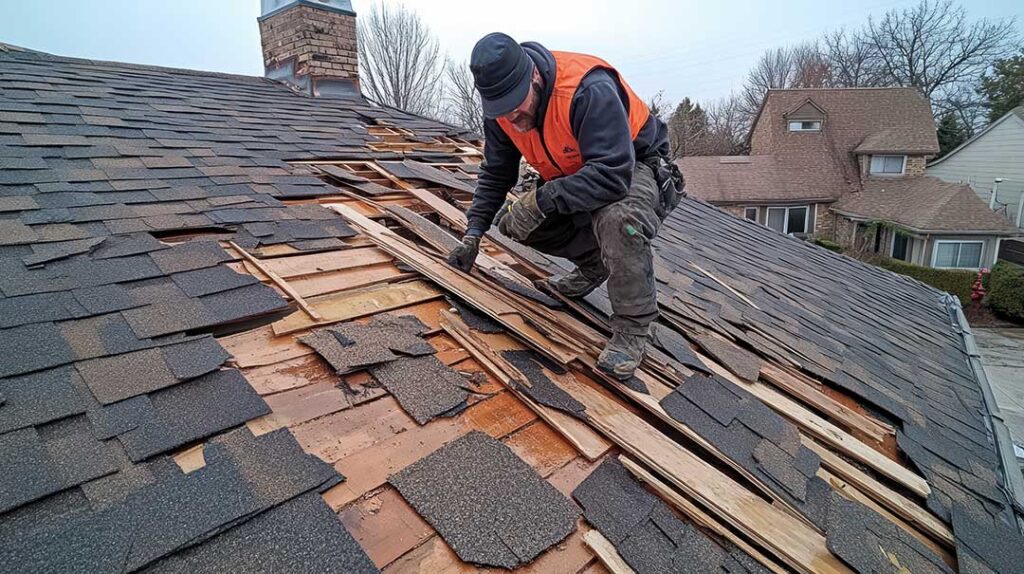
Why Should Homeowners in Gasport, NY Care About Roof Inspections?
Roof inspections help residents ensure their homes remain protected from the weather, maintain property value, and prevent costly problems. In the local climate, where winter snow, spring rain, and strong winds regularly test roofing materials, routine checks catch small issues before they turn into bigger repair needs.
For Gasport homes, an annual or biannual inspection—plus a quick review after extreme storms—is considered wise. Regular inspections:
- Extend the life of roofing materials
- Minimize risks of leaks, mold, and rot
- Support insurance claims if a weather event causes damage
What Does a Typical Roof Inspection Involve?
A roof inspection usually means a visual review from the ground and, when safe, up close on a ladder. This process identifies problems with shingles, flashing, gutters, and key roof structures. The inspection focuses on safety: if a roof is too steep or conditions are icy, it’s better to assess from a distance or call in someone with proper safety equipment.
A thorough inspection generally includes:
- Checking shingles for cracks, curl, or missing pieces
- Looking for signs of sagging or uneven rooflines
- Examining flashing around chimneys, vents, and skylights
- Clearing and checking gutters and downspouts for blockages
- Noting any soft spots or moss growth
What Are Common Problems Local Residents Should Look For?
Local weather in Gasport can speed up wear on roofs. Certain signs indicate when further attention is needed. Spotting these early can prevent water damage inside the home or structural issues over time.
Typical concerns in Gasport neighborhoods include:
- Lifted or missing asphalt shingles after windstorms
- Ice dams at eaves following freeze-thaw cycles, often leading to leaks
- Granule loss on shingles, noticed as sand-like debris in gutters, showing weathering
- Blocked gutters from falling leaves or spring seed pods, increasing risk of overflow
- Discolored ceiling spots indoors, often traced to small roof leaks
How Can Homeowners Perform a Basic Visual Check Safely?
With some simple precautions, homeowners can do their own roof inspections from the ground or a sturdy ladder. Many issues are visible without stepping onto the roof, reducing risk.
Safe steps include:
- Walking the property perimeter with binoculars to scan for visible issues
- Checking the attic for dampness, stains, or sunlight coming through boards
- Using a stable ladder for a closer look at the gutter line and lower shingles
- Never climbing on the roof in icy, wet, or windy conditions
If the inspection reveals signs of major damage—like wide-open roof sections, large sagging spots, or electrical hazards—it’s best to leave further assessment to someone with the right experience and equipment.
When Is the Best Time for Inspections in Gasport?
In Gasport, most homeowners check roofs in early spring and again in the fall. These timing patterns fit local weather cycles, catching winter damage and preparing for the next season.
- Spring: Look for issues caused by snow, ice, and winter winds. Meltwater can highlight problem spots.
- Fall: Clear gutters, look for storm or wind damage, and prepare for freezing weather.
After severe storms, it is also wise to do a targeted check for obvious new problems, such as blown-off shingles or dented flashing from wind-driven debris.
What Are Common Misconceptions About Roof Maintenance?
Residents often underestimate how quickly roof problems develop or overestimate the protection of newer roofing materials. Even relatively new roofs can suffer storm damage, and many leaks start small—easy to overlook until damage inside the home appears much later.
Other local misconceptions:
- Gutters only need cleaning in the fall—spring debris can be just as problematic.
- Ice dams are only a problem for older homes—insulation and airflow make a difference, but any home in the region can develop them under certain conditions.
- A single missing shingle isn’t urgent—with the pace of local rain and snow, even small gaps can grow or allow leaks in a matter of weeks.

What Should be Documented During a Roof Check?
Documenting roof conditions helps track wear over time and supports any home insurance claims. Take photos, especially if problems are spotted, and keep notes about inspection dates and what areas were checked.
Helpful records often include:
- Clear pictures of any missing, cracked, or worn shingles
- Photos of flashing, vent covers, or eaves
- Written notes about attic findings, such as dampness or visible light through boards
- Dates of service, cleaning, or weather events that prompted the inspection
How Do Inspections Differ for Different Roofing Types in the Area?
Roofs in Gasport include asphalt shingles, metal roofing, and occasional flat or low-slope designs. Inspection steps are slightly different for each:
- Asphalt shingle roofs: Check for curled, cracked, or missing pieces and examine the condition of granules.
- Metal roofs: Look for loose fasteners, rust patches, and sealant cracks, particularly around penetrations.
- Flat roofs: Inspect for pooling water, punctures, membrane bubbling, or loose seams.
The focus is to match the inspection to the roofing type and structure while keeping local weather risks in mind.
Are Permits or Local Regulations Relevant for Inspections?
For routine homeowner inspections, no permits are needed in Gasport. If work or repairs are needed after an inspection, local building codes may apply—especially if replacing significant portions of a roof or making changes that affect a home’s exterior appearance. Residents planning larger projects should check with relevant municipal departments for any needed approvals.
What Steps Can Prevent Common Roof Issues Locally?
Preventive care reduces the need for major repairs. For homes in the city, practical steps include:
- Clearing gutters and downspouts in both spring and fall
- Trimming tree branches hanging over the roof to reduce debris and breakage during storms
- Checking attic ventilation to limit moisture buildup and ice dam formation
- Watching for early signs of animal activity—like nests or chewed entries
Simple, regular care fits the housing mix and weather patterns in the area, helping homes stay protected year-round.
